

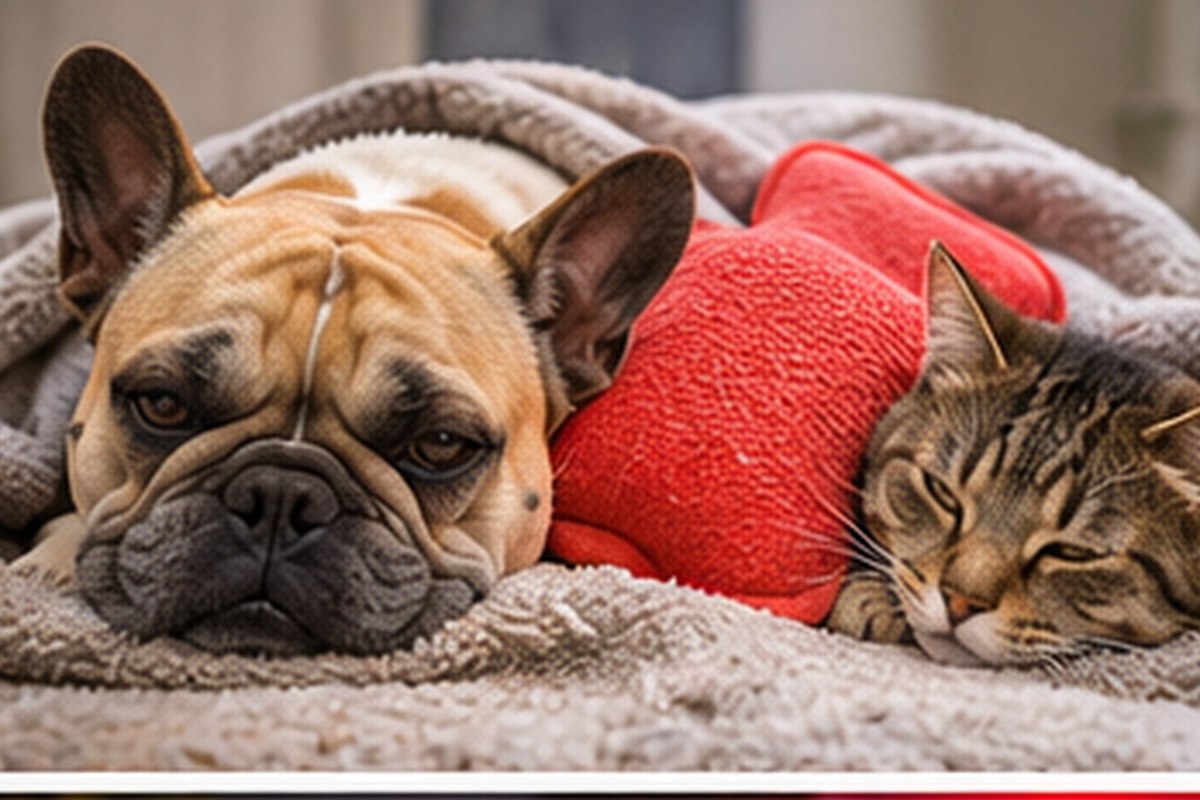
Your dog usually races to the kitchen when they hear their food bowl, but today, they barely lift their head. Your cat, who normally makes their opinion about breakfast very clear, walks away without taking a bite. Then you discover they’ve been vomiting or having diarrhea.
Suddenly, you’re trying to figure out what happened and how worried you should be.
Digestive problems are incredibly common in pets, but they’re also unpredictable. A dog might experience a mild stomachache after eating something unfamiliar, while another pet with similar symptoms could have a serious medical condition developing.
For families in North Peoria, knowing when to monitor a pet and when to seek veterinary attention can help prevent complications and unnecessary discomfort.
At North Peoria Veterinary Hospital, we believe understanding your pet’s symptoms is an important part of keeping them healthy. Here’s what you should know when vomiting or diarrhea interrupts your pet’s normal routine.
Not All Vomiting Is the Same
When someone says their pet threw up, it might sound straightforward. However, veterinarians often want to know exactly what happened because different types of episodes can point toward different problems.
True vomiting usually involves nausea and abdominal contractions. Your pet may drool, lick their lips, swallow repeatedly, or make retching sounds before bringing something up.
Regurgitation is different. Food or water comes back up with little effort, often shortly after eating or drinking.
That distinction matters because regurgitation can sometimes indicate a problem involving the esophagus rather than the stomach.
The appearance of vomit can also provide clues.
Yellow fluid may contain bile, particularly when the stomach is empty. Undigested food might appear shortly after a meal. Foam, mucus, or partially digested material can occur with various digestive conditions.
However, appearance alone cannot determine whether vomiting is harmless.
A pet who brings up yellow liquid repeatedly may need veterinary attention just as much as one who vomits food.
If you notice unusual material, consider taking a photo to share with your veterinarian. It can be more useful than trying to describe everything from memory.
What Your Pet’s Bathroom Habits May Reveal
Diarrhea isn’t always a dramatic accident in the house. Sometimes, the earliest signs are subtle.
Your dog may ask to go outside more frequently or squat several times during a walk. Your cat might visit the litter box repeatedly, producing small amounts of loose stool.
Veterinarians consider several factors when evaluating diarrhea, including frequency, consistency, urgency, and whether blood or mucus is present.
A single soft bowel movement in a healthy adult pet who otherwise feels normal may be appropriate for brief monitoring.
Frequent watery diarrhea is different. It can cause significant fluid loss, particularly when accompanied by vomiting.
Straining is another symptom worth mentioning. Although some pets strain because of intestinal inflammation, cats repeatedly visiting the litter box may actually be experiencing a urinary problem.
A cat straining to urinate or producing little to no urine needs immediate emergency veterinary care, especially if the cat is male.
If you’re uncertain whether your cat is having trouble passing stool or urine, don’t assume it’s simply diarrhea.
When Is It Safe to Give Your Pet Some Time?
Pet owners often ask whether they should wait a few hours before calling the veterinarian.
The answer depends on the individual animal and what else is happening.
A healthy adult dog who has one episode of mild diarrhea but continues eating, drinking, and behaving normally may not need an immediate examination.
The same may be true for an adult cat with one isolated episode of vomiting and no other concerning changes.
During brief home monitoring, keep your pet comfortable, make fresh water available, and avoid table scraps or unfamiliar foods.
Don’t automatically withhold meals or offer human medications. Cats and pets with certain medical conditions can develop complications when they stop eating, and some medications intended for people are unsafe for animals.
Contact your veterinarian if symptoms recur, your pet stops eating, or their behavior changes.
Monitoring should never mean ignoring a pet who appears uncomfortable or progressively sicker.
The Warning Signs That Shouldn’t Wait
Sometimes digestive symptoms are part of a much larger medical problem.
A dog who has swallowed part of a chew toy, for example, may initially seem only mildly nauseated. As the object moves through the digestive tract, it can become lodged and create an intestinal obstruction.
Other conditions, including pancreatitis, severe infections, and toxin exposure, can also begin with vomiting or diarrhea.
Seek urgent or emergency veterinary care if you notice:
- Repeated vomiting: Especially when your pet cannot keep water down.
- Significant blood: Bloody vomit, bloody diarrhea, or black, tarry stool may indicate gastrointestinal bleeding.
- Abdominal swelling: A distended belly, particularly with repeated unsuccessful retching, can indicate life-threatening bloat.
- Severe pain: Crying, trembling, a hunched posture, or resisting abdominal touch may suggest a serious problem.
- Collapse or extreme weakness: These symptoms require immediate medical attention.
- Possible poisoning: Exposure to toxic foods, human medications, or household chemicals should be addressed immediately.
- Suspected foreign body ingestion: Swallowed fabric, string, toys, or other objects may require urgent treatment.
If your pet is struggling to breathe, collapsing, or repeatedly attempting to vomit without producing anything, go directly to an emergency veterinary hospital.
Thanksgiving Foods That Can Cause Unexpected Trouble
The holidays bring plenty of changes to a household. There are visitors at the door, extra food on the counters, and sometimes a dog waiting patiently beneath the dining room table for something to fall.
Thanksgiving can be especially challenging because many traditional dishes contain ingredients that aren’t appropriate for pets.
Take stuffing, for example. Even a homemade recipe may contain onions, garlic, butter, or other seasonings. Onions and garlic can damage red blood cells in dogs and cats, while rich ingredients may trigger digestive upset.
Turkey itself isn’t necessarily the problem. It’s often the skin, grease, bones, or seasonings that create trouble.
Fatty leftovers can contribute to pancreatitis, which may cause vomiting, abdominal pain, and loss of appetite.
Desserts deserve extra caution.
Chocolate contains substances that can affect the heart and nervous system. Grapes and raisins can cause kidney injury in dogs, and xylitol found in some sugar-free products can cause dangerously low blood sugar and liver damage.
Holiday decorations and cleanup materials can also become hazards. A curious pet might swallow a piece of ribbon, food wrapper, or discarded corn cob.
For North Peoria families celebrating Thanksgiving, keeping pets away from food preparation areas and securing garbage can help prevent an unexpected trip to the veterinarian.
If your pet eats something potentially toxic, contact a veterinarian or animal poison control service immediately, even if they appear completely normal.
Which Pets Need Help Sooner?
Two pets can experience identical symptoms and face very different risks.
A healthy five-year-old dog may tolerate a brief digestive illness better than a ten-week-old puppy, for example.
Puppies and kittens have limited fluid reserves and can become dehydrated quickly. They may also develop low blood sugar when vomiting or diarrhea interferes with eating.
In young puppies, gastrointestinal symptoms can be associated with parvovirus, a highly contagious and potentially fatal infection.
Senior pets often have different vulnerabilities. An older dog may have kidney disease, while a senior cat could have thyroid problems or another chronic condition affecting digestion.
Pets with diabetes, heart disease, kidney problems, or other ongoing medical conditions may require earlier intervention because fluid loss and reduced food intake can complicate their treatment.
North Peoria’s desert environment adds another consideration. Even during pleasant fall temperatures, dogs spending time outdoors can lose fluids through activity and heat exposure.
If a pet is already experiencing gastrointestinal illness, dehydration may become an additional concern.
For young, elderly, or medically vulnerable animals, contact your veterinarian promptly rather than waiting to see whether symptoms resolve.
What to Expect When You Bring Your Pet In
You may be surprised by how many questions your veterinarian asks about something that seems as simple as an upset stomach.
Those questions help narrow down possible causes.
Your veterinary team may ask when symptoms began, whether vomiting occurred before or after eating, and whether diarrhea has been constant or intermittent.
They’ll also want to know about your pet’s appetite, water intake, activity level, and recent diet.
Mention anything unusual your pet may have encountered, including medications, household products, plants, or objects they could have swallowed.
If your pet has an existing medical condition, bring their medication information and explain any recent changes in treatment.
Depending on the examination, your veterinarian may recommend laboratory testing to assess organ function, electrolyte levels, or possible infections.
Fecal testing can help identify parasites, while X-rays or ultrasound may be useful when an intestinal blockage or another abdominal problem is suspected.
Treatment is tailored to the diagnosis and may include anti-nausea medication, fluids, dietary management, or additional medical care.
Supporting Healthier Pets Throughout North Peoria
When your pet gets sick, you don’t need to have all the answers. You simply need to recognize when their symptoms deserve professional attention.
Knowing the difference between an isolated stomach upset and a potentially dangerous condition can help you make decisions that protect your pet’s health.
At North Peoria Veterinary Hospital, we’re proud to serve pets and families throughout North Peoria and nearby West Valley communities. Our team is here to help with preventive care, digestive concerns, and unexpected illnesses that interrupt your pet’s everyday life.
If your dog or cat is experiencing vomiting, diarrhea, or a noticeable change in appetite or behavior, contact North Peoria Veterinary Hospital to discuss their symptoms and arrange an evaluation.
For severe symptoms, suspected poisoning, or signs of a life-threatening condition, seek emergency veterinary care immediately.
Because getting your pet back to their normal, happy routine starts with understanding when they need a little extra help.