

When your pet needs veterinary care, it’s natural to think about scheduling an annual exam or updating vaccinations. But today’s veterinary hospitals offer far more than routine checkups. Modern animal hospitals provide comprehensive medical care that supports your pet through every stage of life, from their first puppy or kitten visit to advanced diagnostics, surgery, senior wellness, and everything in between.
Choosing a full-service veterinary hospital means your pet has access to a wide range of healthcare services in one familiar location. Instead of visiting multiple facilities for different needs, you can build a long-term relationship with one veterinary team that understands your pet’s history, personality, and unique health needs.
At Highland Hills Veterinary Hospital, we’re committed to providing complete veterinary care for dogs and cats throughout Alpine, Lehi, Highland, Cedar Hills, and surrounding Utah communities. If you’ve ever wondered what “full-service veterinary care” really means, here’s a closer look at the services that help pets live healthier, happier lives.
Preventive Care Is the Foundation of Lifelong Health
The healthiest pets aren’t simply lucky. They’re often the result of consistent preventive care.
Routine wellness visits allow veterinarians to evaluate your pet’s health before problems become serious. Since dogs and cats instinctively hide pain and illness, regular examinations often uncover subtle medical concerns long before they’re noticeable at home.
During a wellness appointment, your veterinarian evaluates your pet’s overall health by examining their:
- Eyes and ears
- Teeth and gums
- Heart and lungs
- Skin and coat
- Weight and body condition
- Joints and mobility
- Abdomen
- Lymph nodes
These visits are also an opportunity to discuss your pet’s nutrition, exercise routine, behavior, and any changes you’ve observed.
Preventive care allows your veterinarian to establish a health baseline, making it easier to recognize small changes over time.
Vaccinations Protect Pets Throughout Their Lives
Vaccinations are one of the most effective ways to protect pets from preventable diseases.
Puppies and kittens begin receiving vaccines early in life, but protection doesn’t end after the first year. Adult pets continue to benefit from individualized vaccination schedules based on their age, lifestyle, travel habits, and exposure to other animals.
Your veterinarian may recommend vaccines that protect against diseases such as:
- Rabies
- Distemper
- Parvovirus
- Leptospirosis
- Bordetella
- Feline viral rhinotracheitis
- Calicivirus
- Panleukopenia
Rather than using the same schedule for every pet, your veterinarian develops recommendations that fit your pet’s individual needs.
Nutrition Is an Important Part of Veterinary Medicine
Nutrition affects nearly every aspect of your pet’s health.
The right diet helps support healthy growth, maintain an ideal body weight, strengthen the immune system, and reduce the risk of many chronic diseases.
During wellness visits, your veterinary team can help answer questions about:
- Choosing an appropriate diet
- Portion sizes
- Weight management
- Food allergies
- Prescription nutrition
- Senior pet diets
Maintaining a healthy weight is one of the simplest ways to improve both quality of life and life expectancy.
Dental Care Supports Overall Health
Many people don’t realize that dental disease affects most dogs and cats by the time they reach adulthood.
Plaque and tartar gradually accumulate below the gumline, allowing bacteria to damage teeth, gums, and supporting bone.
Without treatment, dental disease can lead to:
- Chronic pain
- Tooth loss
- Difficulty eating
- Gum infections
- Bad breath
- Bacteria entering the bloodstream
Professional dental cleanings remove plaque and tartar where brushing alone cannot reach.
Routine dental care not only keeps your pet comfortable but also helps protect important organs from chronic infection.
Diagnostic Testing Helps Find Answers Faster
Sometimes a physical examination isn’t enough to determine why a pet isn’t feeling well.
That’s where diagnostic testing becomes invaluable.
Modern veterinary hospitals use advanced technology to evaluate your pet’s health quickly and accurately.
Laboratory Testing
Routine bloodwork and laboratory testing help detect diseases before symptoms become severe.
Blood testing may identify:
- Kidney disease
- Liver disease
- Diabetes
- Thyroid disorders
- Infection
- Anemia
Urinalysis provides additional information about kidney function, urinary health, hydration, and metabolic disorders.
Together, these tests help veterinarians develop more accurate diagnoses and treatment plans.
Digital X-Rays Provide a Clearer Picture
Digital radiographs allow veterinarians to evaluate conditions that cannot be diagnosed during a physical examination alone.
X-rays are commonly used to investigate:
- Broken bones
- Arthritis
- Heart enlargement
- Lung disease
- Bladder stones
- Foreign body ingestion
- Certain abdominal conditions
Because digital images are available almost immediately, treatment decisions can often begin during the same appointment.
Hospitalization Provides Around-the-Clock Support
Not every illness can be treated with medication and rest at home.
Some pets require hospitalization so they can receive continuous monitoring and supportive care.
Hospitalized patients may need:
- Intravenous fluids
- Pain management
- Oxygen therapy
- Nutritional support
- Frequent monitoring
- Repeated diagnostic testing
Whether recovering from surgery or being treated for a serious illness, hospitalization allows your veterinary team to closely monitor your pet’s progress and adjust treatment as needed.
Surgical Care Extends Beyond Routine Procedures
Surgery is an important part of comprehensive veterinary medicine.
While spaying and neutering are among the most common procedures, veterinary surgery also includes many treatments that improve both health and quality of life.
Common surgical procedures include:
- Soft tissue surgery
- Mass removal
- Wound repair
- Dental extractions
- Exploratory procedures
- Other medically necessary operations
Before surgery, every patient receives a physical examination and individualized anesthetic evaluation.
During the procedure, advanced monitoring equipment tracks vital signs while trained veterinary professionals carefully supervise anesthesia and recovery.
Pain management begins before surgery and continues throughout the healing process.
An In-House Pharmacy Makes Treatment More Convenient
When your pet is diagnosed with a medical condition, beginning treatment quickly is often important.
Having an in-house pharmacy allows medications to be dispensed before you leave the hospital.
This provides several benefits:
- Faster treatment
- Accurate dosing
- Convenient refills
- Professional guidance on administration
- Questions answered by your veterinary team
Your veterinarian can also review possible side effects and explain how medications fit into your pet’s overall treatment plan.
Caring for Pets Through Every Life Stage
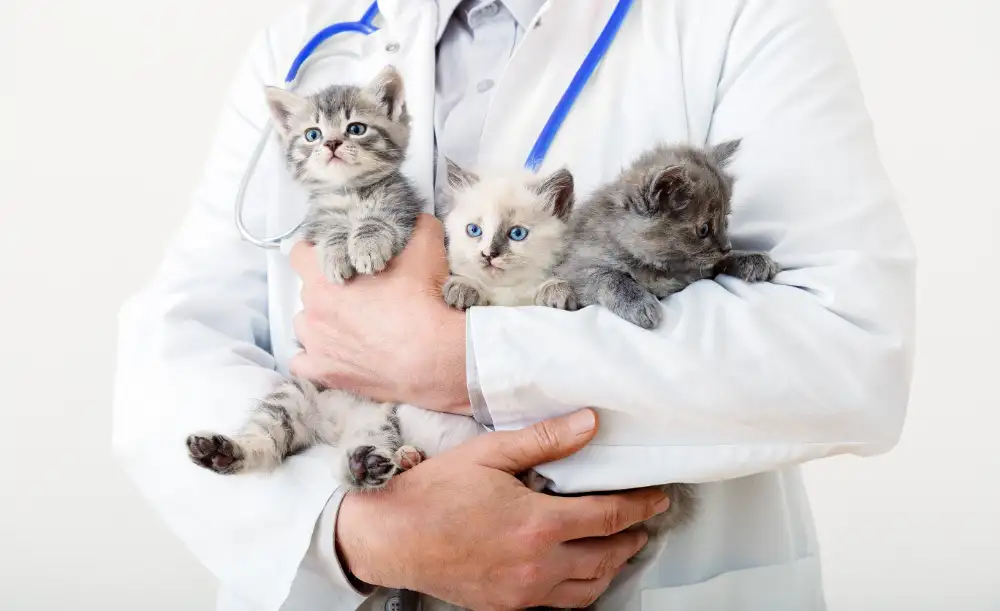
Healthcare needs change as pets age.
Puppies and kittens require vaccinations, parasite prevention, and nutritional guidance.
Adult pets benefit from regular wellness exams, dental care, and preventive screening.
Senior pets often require more frequent monitoring to identify age-related diseases before they significantly affect quality of life.
Senior wellness programs may include:
- Comprehensive physical examinations
- Bloodwork
- Urinalysis
- Arthritis evaluations
- Weight monitoring
- Nutritional recommendations
- Medication reviews
These screenings help veterinarians identify common conditions such as kidney disease, arthritis, diabetes, thyroid disorders, and heart disease while treatment is most effective.
Education Is Part of Every Appointment
Veterinary care isn’t limited to examinations and treatments.
One of the most valuable services a veterinary hospital provides is education.
Your veterinary team serves as a trusted resource for questions about:
- Nutrition
- Exercise
- Behavior
- Grooming
- Parasite prevention
- Dental care
- Chronic disease management
- Puppy and kitten care
- Senior pet health
The more informed pet owners become, the better equipped they are to make decisions that support lifelong health.
Building a Lasting Relationship
Perhaps the greatest advantage of choosing a full-service veterinary hospital is continuity of care.
When the same veterinary team sees your pet throughout their life, they develop a deeper understanding of your companion’s health history, personality, and normal behavior.
That familiarity often makes it easier to recognize subtle changes and provide more personalized recommendations.
Instead of starting over with a new provider every time your pet needs care, you have a trusted team that’s been with you through every milestone.
Comprehensive Care You Can Count On
Choosing a veterinary hospital is about more than finding someone to administer vaccines or treat occasional illnesses. It’s about partnering with a team that can provide compassionate, comprehensive care throughout your pet’s entire life. From preventive wellness exams and dental care to advanced diagnostics, surgery, hospitalization, nutrition counseling, and ongoing medical management, a full-service veterinary hospital offers the resources your pet needs to stay healthy for years to come.
At Highland Hills Veterinary Hospital, we’re proud to provide personalized veterinary care for families throughout Highland, Alpine, Lehi, Cedar Hills, and neighboring communities. Whether you’re welcoming a new puppy, managing a chronic medical condition, or helping your senior pet enjoy their golden years, our experienced team is here to support you every step of the way. We look forward to helping your pet live a longer, healthier, and happier life.