

If you’ve visited a veterinary hospital in the last decade, you’ve probably noticed that pet healthcare has changed dramatically. Today’s veterinary medicine looks very different than it did even 20 years ago. Advances in diagnostic technology, anesthesia, pain management, surgery, and preventive medicine have transformed how veterinarians care for dogs and cats, allowing pets to live longer, healthier, and more active lives than ever before.
While annual wellness visits remain the foundation of good healthcare, modern veterinary hospitals now offer sophisticated tools that help diagnose illness earlier, treat conditions more effectively, and improve recovery after injury or surgery.
At North Peoria Veterinary Hospital, we’re proud to combine compassionate, personalized care with modern veterinary medicine. Here’s how today’s technology and medical advances are helping pets enjoy more years with the families who love them.
Veterinary Medicine Has Shifted from Reactive to Proactive
Years ago, many pets only visited the veterinarian when they became sick or injured.
Today, veterinary care focuses on preventing illness before it develops whenever possible.
Routine wellness care allows veterinarians to monitor your pet’s health throughout their life, identify subtle changes early, and recommend treatments before small problems become serious ones.
This proactive approach often means:
- Earlier diagnosis
- Less invasive treatments
- Better long-term outcomes
- Lower overall healthcare costs
- Improved quality of life
Instead of simply treating disease, veterinarians work alongside pet owners to help pets stay healthy in the first place.
Wellness Exams Reveal More Than You Can See at Home
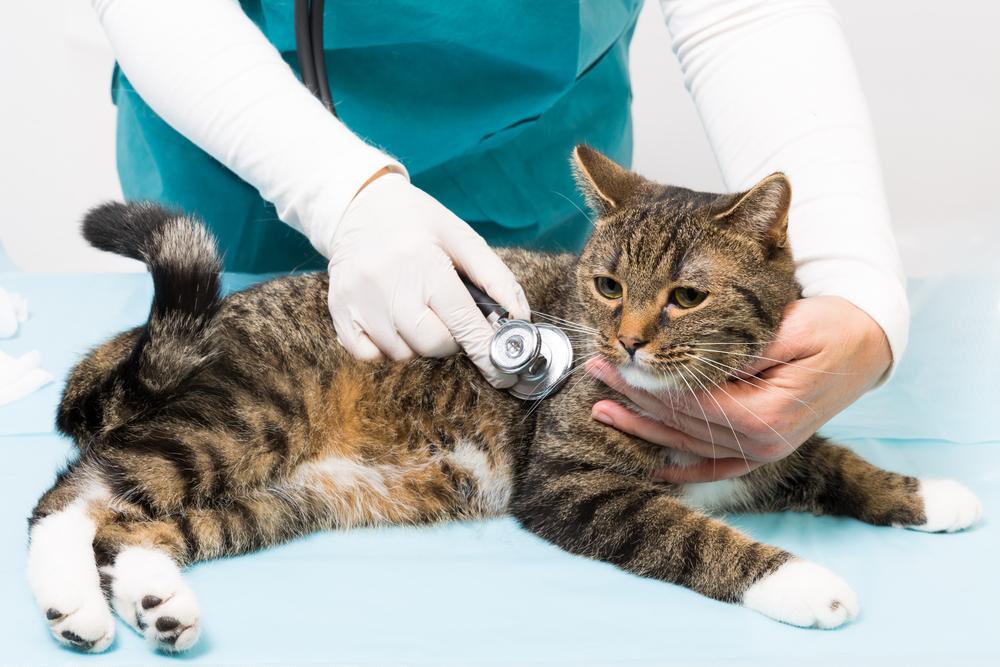
Dogs and cats naturally hide signs of pain and illness.
By the time most owners notice obvious symptoms, disease has often been developing for weeks or even months.
Routine wellness examinations provide an opportunity to evaluate your pet from nose to tail while establishing a health baseline that can be compared year after year.
During an examination, your veterinarian evaluates:
- Heart and lung function
- Body weight and muscle condition
- Joint mobility
- Eyes and ears
- Skin and coat
- Teeth and gums
- Abdomen
- Neurological function
- Overall behavior
These visits also allow time to discuss changes you’ve noticed at home, including appetite, energy level, mobility, or behavior.
Sometimes the smallest changes tell the biggest story.
Advanced Diagnostics Help Detect Illness Earlier
One of the biggest advancements in veterinary medicine is the ability to diagnose disease before symptoms become severe.
Modern diagnostic equipment allows veterinarians to quickly gather information that simply wasn’t available years ago.
In-House Laboratory Testing
Bloodwork provides valuable insight into how your pet’s body is functioning.
Routine laboratory testing can detect:
- Kidney disease
- Liver disease
- Diabetes
- Infection
- Anemia
- Thyroid disorders
- Electrolyte imbalances
When bloodwork is performed before symptoms become severe, treatment often begins much sooner, improving outcomes.
Urinalysis adds another important piece of the puzzle by helping evaluate kidney function, urinary tract health, hydration, and metabolic conditions.
Digital X-Rays Provide Faster Answers
When a pet develops a limp, persistent cough, abdominal pain, or swallows something they shouldn’t, diagnostic imaging often becomes an important next step.
Digital X-rays produce detailed images almost immediately, allowing veterinarians to diagnose many conditions quickly.
Common reasons X-rays are recommended include:
- Broken bones
- Arthritis
- Heart enlargement
- Lung disease
- Bladder stones
- Foreign body ingestion
- Certain cancers
Because digital images are available within minutes, treatment decisions can begin without unnecessary delays.
Ultrasound Looks Beneath the Surface
While X-rays are excellent for evaluating bones and many internal structures, ultrasound provides detailed images of soft tissues and organs.
Ultrasound is commonly used to evaluate:
- Liver
- Kidneys
- Spleen
- Bladder
- Intestinal tract
- Pancreas
- Reproductive organs
Because ultrasound is non-invasive, it often helps diagnose complex medical conditions without exploratory surgery.
For pets experiencing vomiting, weight loss, urinary problems, or abdominal discomfort, ultrasound can provide critical answers while minimizing stress.
Safer Anesthesia Means Greater Peace of Mind
Many pet owners worry when their dog or cat needs anesthesia.
Fortunately, anesthesia has become significantly safer thanks to modern monitoring equipment and individualized protocols.
Before any anesthetic procedure, your veterinarian evaluates your pet’s health through a physical examination and, when appropriate, pre-anesthetic bloodwork.
During anesthesia, trained veterinary professionals closely monitor:
- Heart rate
- Blood pressure
- Oxygen levels
- Body temperature
- Respiratory rate
- Carbon dioxide levels
Careful monitoring allows your veterinary team to respond immediately to even subtle changes throughout the procedure.
Modern Surgery Focuses on Safety and Comfort
Surgical care has also advanced tremendously.
Whether your pet requires a routine spay or neuter, mass removal, orthopedic procedure, or soft tissue surgery, today’s surgical techniques emphasize both patient safety and recovery.
Modern surgical care includes:
- Individualized anesthesia plans
- Sterile surgical techniques
- Continuous patient monitoring
- Advanced pain management
- Detailed recovery protocols
Pain control begins before surgery and continues throughout recovery, helping pets return to normal activity more comfortably.
Laser Therapy Is Changing Recovery
One of the newer tools available in veterinary medicine is therapeutic laser therapy.
Laser therapy uses specific wavelengths of light to stimulate healing at the cellular level.
Depending on your pet’s condition, laser therapy may help:
- Reduce inflammation
- Improve circulation
- Relieve pain
- Promote tissue healing
- Support recovery after surgery
- Improve mobility in arthritic pets
Treatments are non-invasive and generally well tolerated by dogs and cats.
Many pets with chronic joint disease or soft tissue injuries benefit from laser therapy as part of a comprehensive treatment plan.
Dentistry Has Become an Essential Part of Veterinary Care
Dental disease affects most adult dogs and cats, yet it often develops silently.
Modern veterinary dentistry goes far beyond cleaning visible tartar.
Professional dental procedures include:
- Comprehensive oral examinations
- Dental X-rays when needed
- Scaling above and below the gumline
- Polishing teeth
- Tooth extractions when necessary
- Pain management
Treating dental disease improves comfort while helping reduce the spread of infection to other parts of the body.
Senior Pets Benefit from Earlier Intervention
Thanks to advances in veterinary medicine, today’s pets routinely live well into their senior years.
As pets age, routine screening becomes increasingly valuable.
Older pets are more likely to develop chronic conditions such as:
- Arthritis
- Kidney disease
- Heart disease
- Diabetes
- Thyroid disorders
- Cancer
Regular examinations combined with bloodwork and diagnostic imaging allow veterinarians to identify many of these conditions before they significantly affect quality of life.
Managing disease early often helps pets remain active and comfortable for many additional years.
Technology Supports Care, but Relationships Still Matter
Advanced equipment is only part of modern veterinary medicine.
The relationship between pet owners and their veterinary team remains just as important as any technology.
Every pet has unique needs based on their breed, lifestyle, personality, age, and medical history.
An experienced veterinarian combines diagnostic information with careful observation and open communication to develop a treatment plan that’s right for your individual pet.
When you have a trusted veterinary partner, you gain more than medical expertise. You gain someone who understands your pet over time and can help guide healthcare decisions through every stage of life.
What Modern Veterinary Medicine Means for Your Pet
The goal of modern veterinary medicine isn’t simply to help pets recover from illness. It’s to help them enjoy more healthy years with the families who love them.
From preventive wellness care and advanced diagnostics to digital imaging, surgery, laser therapy, dentistry, and senior health management, today’s veterinary medicine offers more options than ever before to keep pets active, comfortable, and thriving.
At North Peoria Veterinary Hospital, we’re committed to bringing the benefits of modern veterinary medicine to every patient who walks through our doors. Whether your pet needs a routine wellness exam, advanced diagnostic testing, dental care, surgery, or ongoing management for a chronic condition, our compassionate team is here to provide personalized care backed by the latest advancements in veterinary medicine. We look forward to helping your pet enjoy a lifetime of better health.