

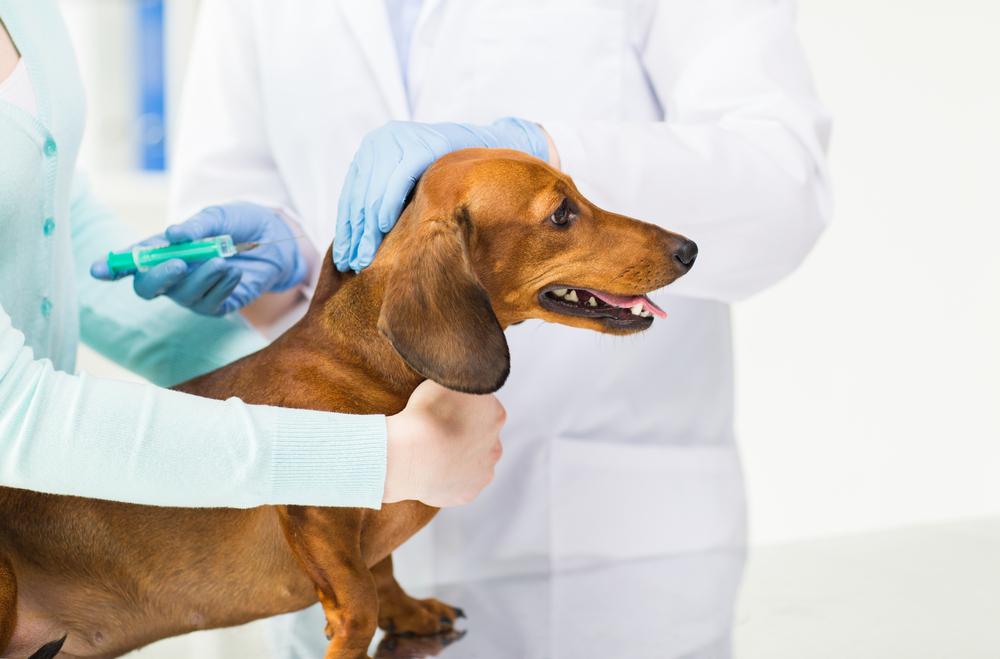
Many pet owners schedule a veterinary appointment once a year to update vaccinations and then don’t think much about another visit unless their dog or cat becomes sick. While vaccines are an important part of your pet’s healthcare, they represent just one piece of a much larger picture.
Today’s veterinary medicine focuses on prevention, early detection, and proactive care. Regular wellness visits allow veterinarians to identify health concerns before they become serious, helping pets enjoy longer, healthier lives while often reducing the need for more extensive treatments later.
At North Peoria Veterinary Hospital, we believe that preventive care is one of the greatest gifts you can give your pet. Whether you’ve just welcomed a playful puppy into your family or are caring for a senior cat that’s been by your side for years, comprehensive veterinary care helps ensure every stage of life is as healthy and comfortable as possible.
Preventive Care Is About Staying Ahead of Disease
Unlike people, pets can’t explain when something feels different.
Dogs and cats are remarkably good at hiding discomfort, an instinct that helped their wild ancestors avoid appearing vulnerable. Unfortunately, this means many illnesses go unnoticed until they’ve progressed significantly.
Preventive veterinary care is designed to detect changes before they become major health concerns. Rather than waiting for obvious symptoms, your veterinarian monitors your pet’s overall health over time, making it easier to recognize subtle changes that could indicate developing disease.
Regular wellness visits provide opportunities to evaluate your pet’s health, discuss any concerns you’ve noticed at home, and make recommendations based on their age, breed, lifestyle, and medical history.
A Wellness Exam Covers More Than You Might Expect
During your pet’s annual or semiannual examination, your veterinarian performs a thorough evaluation from nose to tail.
This includes assessing:
- Weight and body condition
- Heart and lung function
- Eyes and vision
- Ears
- Teeth and gums
- Skin and coat
- Lymph nodes
- Joint mobility
- Abdomen
- Muscle condition
- Overall behavior and attitude
While this may seem routine, these examinations often reveal early warning signs that owners haven’t yet noticed.
A slight heart murmur, subtle weight loss, early arthritis, changes in dental health, or small skin masses can all be identified during routine visits, allowing treatment to begin before the condition worsens.
Vaccinations Are Tailored to Your Pet
Vaccines remain one of the most effective tools for protecting pets against infectious diseases.
However, vaccination isn’t a one-size-fits-all process.
Your veterinarian develops an individualized vaccine schedule based on factors such as:
- Your pet’s age
- Lifestyle
- Boarding or daycare attendance
- Travel habits
- Exposure to wildlife
- Local disease prevalence
For example, a dog that regularly visits hiking trails, dog parks, or boarding facilities may have different vaccine recommendations than one who spends most of their time at home.
The goal is to provide appropriate protection while avoiding unnecessary treatments.
Parasite Prevention Protects More Than Your Pet
Arizona’s warm climate allows fleas, ticks, mosquitoes, and intestinal parasites to remain active throughout much of the year.
These parasites can transmit diseases that affect both pets and people.
Routine preventive care includes discussing protection against:
- Fleas
- Ticks
- Heartworms
- Roundworms
- Hookworms
- Whipworms
- Tapeworms
Many parasite infections produce few noticeable symptoms during the early stages, making routine screening and prevention especially important.
Protecting your pet also helps protect your family.
Dental Health Deserves More Attention
One of the most common conditions veterinarians diagnose is dental disease.
By three years of age, most dogs and cats have some degree of periodontal disease.
Unfortunately, many owners don’t recognize the signs because pets continue eating normally despite significant oral discomfort.
Untreated dental disease can lead to:
- Pain
- Tooth loss
- Gum infections
- Difficulty eating
- Bad breath
- Bacteria entering the bloodstream
Professional dental cleanings remove plaque and tartar beneath the gumline, where home brushing cannot reach.
Routine dental care helps preserve both oral health and overall wellness.
Nutrition Is Healthcare
What your pet eats every day has a tremendous impact on their long-term health.
During wellness visits, your veterinarian evaluates your pet’s body condition and discusses nutritional needs based on:
- Age
- Breed
- Activity level
- Existing medical conditions
- Weight goals
Whether your pet needs to lose weight, transition to a senior diet, or manage food allergies, nutritional guidance becomes an important part of preventive medicine.
Maintaining a healthy weight can reduce the risk of arthritis, diabetes, heart disease, and many other chronic conditions.
Advanced Diagnostics Help Detect Hidden Illness
A physical examination provides valuable information, but some diseases develop internally long before visible symptoms appear.
That’s why veterinarians often recommend diagnostic screening.
Bloodwork
Routine blood tests can detect:
- Kidney disease
- Liver disease
- Diabetes
- Thyroid disorders
- Infection
- Anemia
- Electrolyte abnormalities
Many of these conditions respond much better when identified early.
Urinalysis
A urine sample provides additional insight into kidney function, urinary tract health, hydration status, and certain metabolic disorders.
Together, bloodwork and urinalysis create a more complete picture of your pet’s health.
Digital X-Rays and Ultrasound Expand Diagnostic Capabilities
Sometimes additional imaging is needed to determine why a pet isn’t feeling well.
Digital X-rays allow veterinarians to evaluate:
- Broken bones
- Arthritis
- Heart enlargement
- Lung disease
- Bladder stones
- Foreign body ingestion
Ultrasound provides detailed images of soft tissues and internal organs.
This technology is particularly helpful when evaluating:
- Liver disease
- Kidney disease
- Abdominal pain
- Bladder problems
- Gastrointestinal disorders
- Certain tumors
Having access to advanced diagnostic tools often means faster answers and earlier treatment.
Surgery Isn’t Always an Emergency
Many people associate veterinary surgery with unexpected accidents or emergencies.
In reality, numerous surgical procedures are planned and preventive.
Examples include:
- Spaying and neutering
- Removing skin masses
- Dental extractions
- Soft tissue procedures
When surgery is necessary, modern anesthesia, advanced monitoring equipment, and individualized pain management protocols help keep pets safe and comfortable before, during, and after the procedure.
Your veterinarian will explain every step of the process so you understand exactly what to expect.
Senior Pets Benefit from More Frequent Monitoring
Pets age much faster than people.
A single year may represent several years of aging for your dog or cat.
Because of this accelerated aging process, routine wellness care becomes increasingly important as pets grow older.
Senior wellness programs often include:
- Physical examinations every six months
- Comprehensive bloodwork
- Urinalysis
- Blood pressure evaluation
- Arthritis screening
- Cognitive health assessments
- Medication reviews
These visits allow veterinarians to identify age-related diseases early while helping maintain your pet’s comfort and quality of life.
Building a Relationship with Your Veterinary Team
Preventive care isn’t simply about scheduling appointments.
It’s about building a long-term relationship with a veterinary team that understands your pet’s unique health history.
Over time, your veterinarian learns what is normal for your pet, making it easier to recognize even subtle changes.
That continuity of care leads to more personalized recommendations and better medical decision-making throughout your pet’s life.
It also gives you a trusted resource whenever questions or concerns arise.
Prevention Is an Investment in Your Pet’s Future
Routine veterinary care may seem like a small commitment today, but it can have a significant impact on your pet’s future health.
Early diagnosis often leads to:
- Less invasive treatments
- Lower long-term medical expenses
- Faster recovery
- Improved quality of life
- Longer life expectancy
Preventive medicine helps keep pets healthier while allowing families to spend more years enjoying the companionship they cherish.
Comprehensive Care for Every Stage of Life
Your pet deserves more than vaccinations once a year. They deserve a healthcare plan that evolves with their changing needs and focuses on keeping them healthy long before problems arise. From wellness exams and preventive medicine to dental care, advanced diagnostics, surgery, nutritional counseling, and senior pet care, comprehensive veterinary medicine helps dogs and cats live happier, healthier lives.
At North Peoria Veterinary Hospital, we’re proud to provide compassionate, personalized veterinary care for families throughout Peoria and the surrounding communities. Whether you’re visiting us for your puppy’s first wellness exam or helping a senior companion stay active and comfortable, our experienced team is committed to partnering with you every step of the way. Schedule your pet’s next wellness visit today and discover how preventive care can support a lifetime of better health.